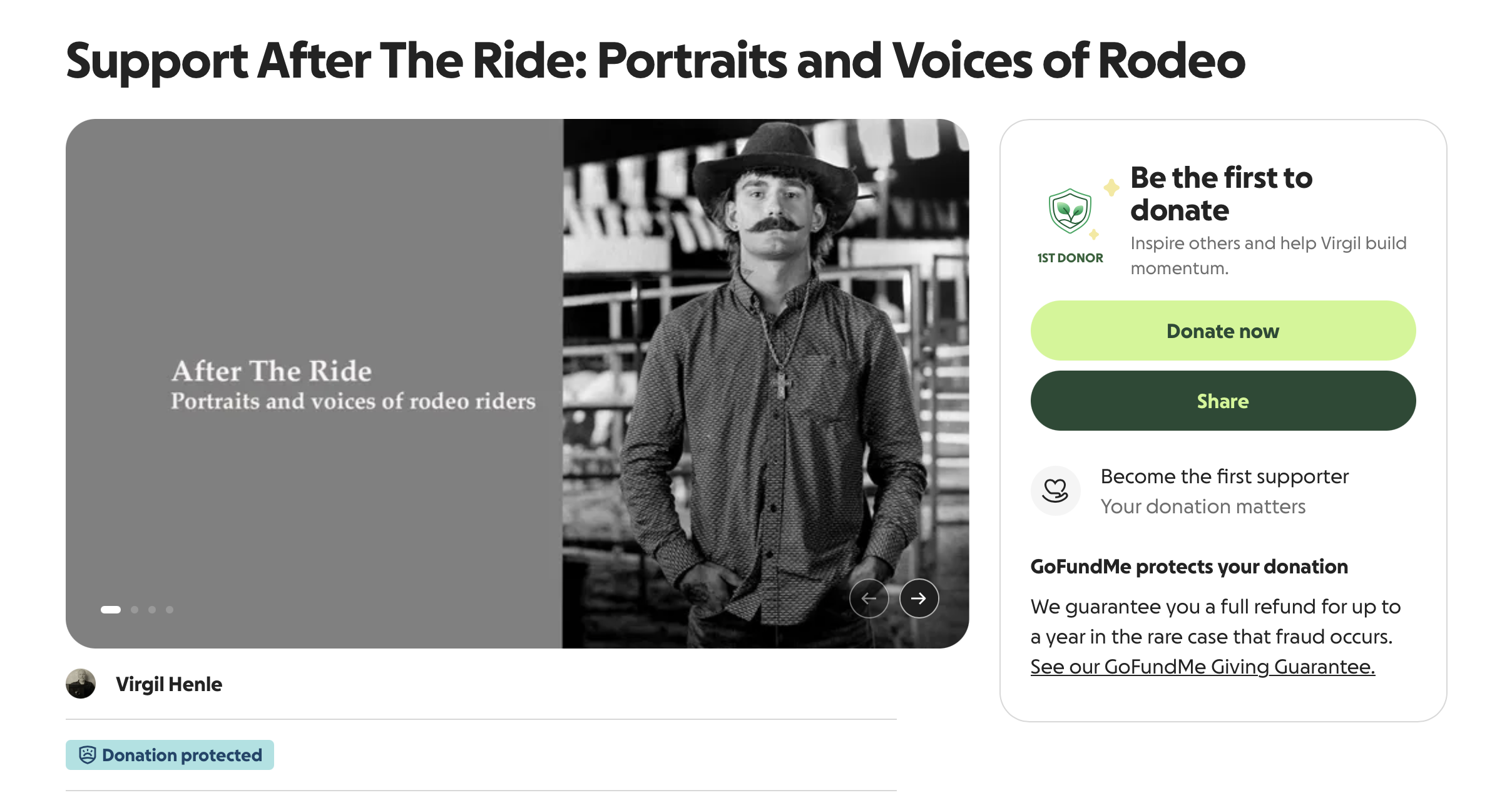

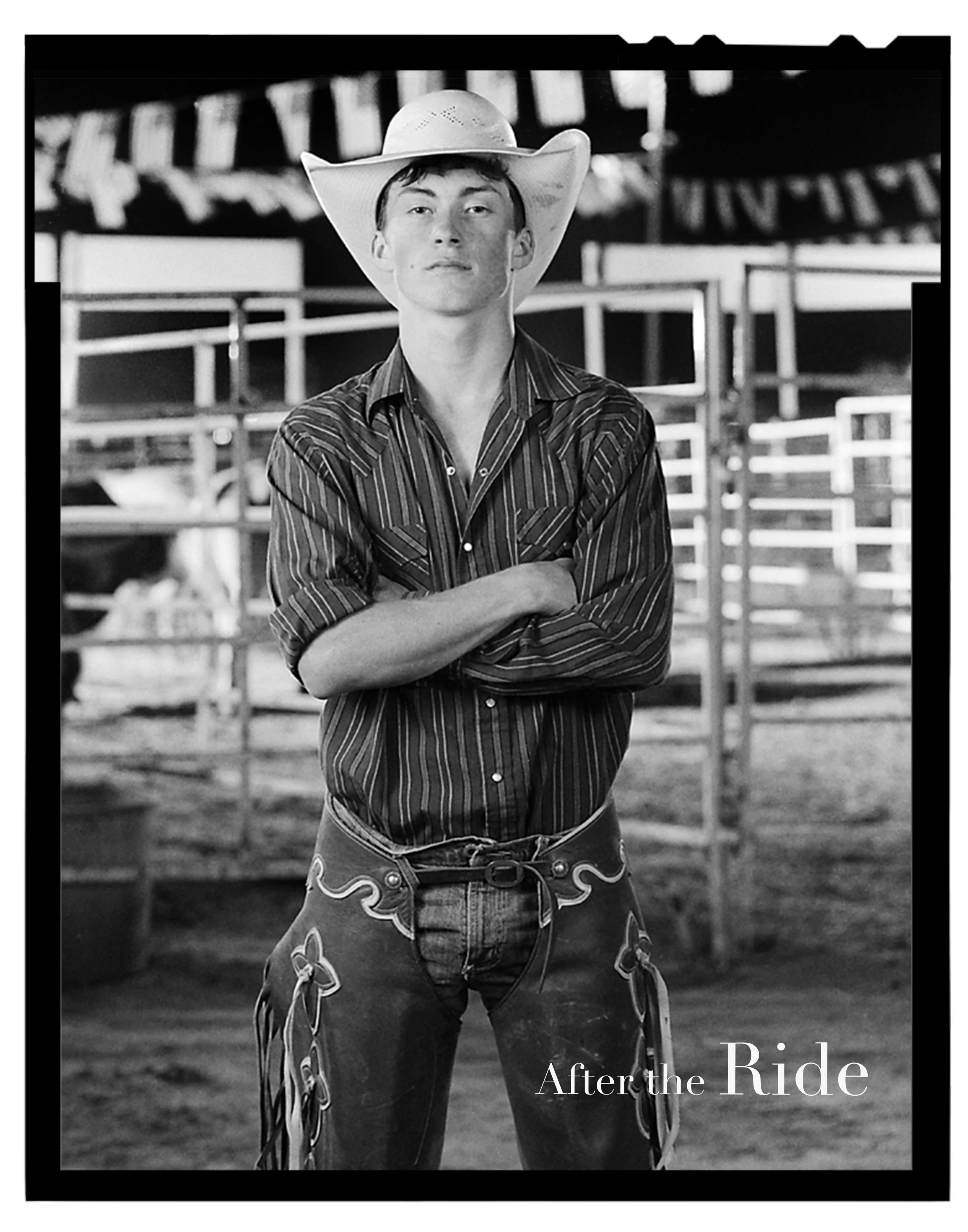
Portraits and voices from rodeo culture
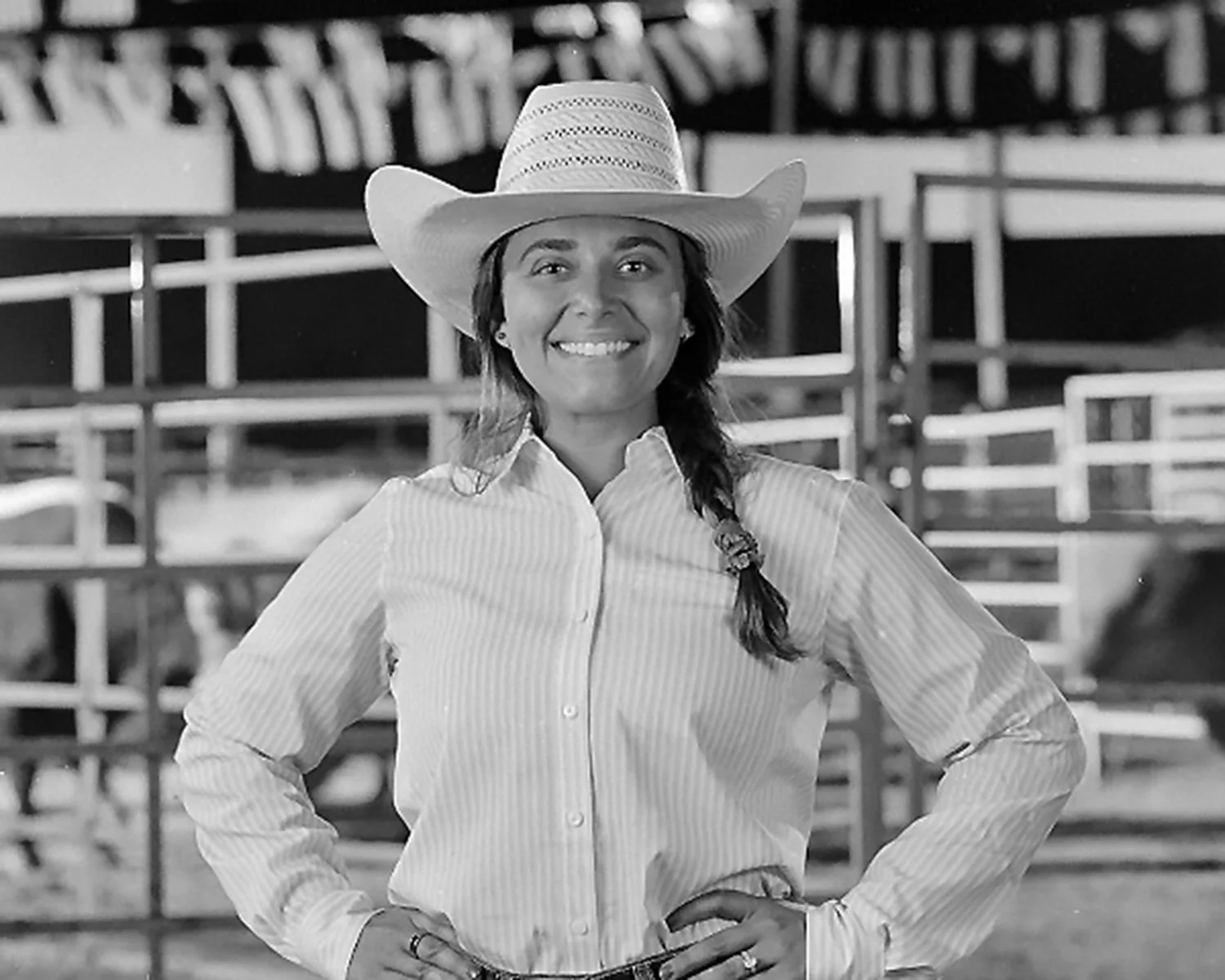
After the Ride is an ongoing portrait and oral history project documenting rodeo riders in the moments after they leave the arena. Made with a 4×5 camera on black-and-white film, the portraits slow down the world often defined by motion, risk, and performance.
Each portrait is paired with the rider’s own words. Together the photographs and reflections form a record of character, place, experience, and community—made at the point where the event is still unfolding and the rider is left to process what just happened.
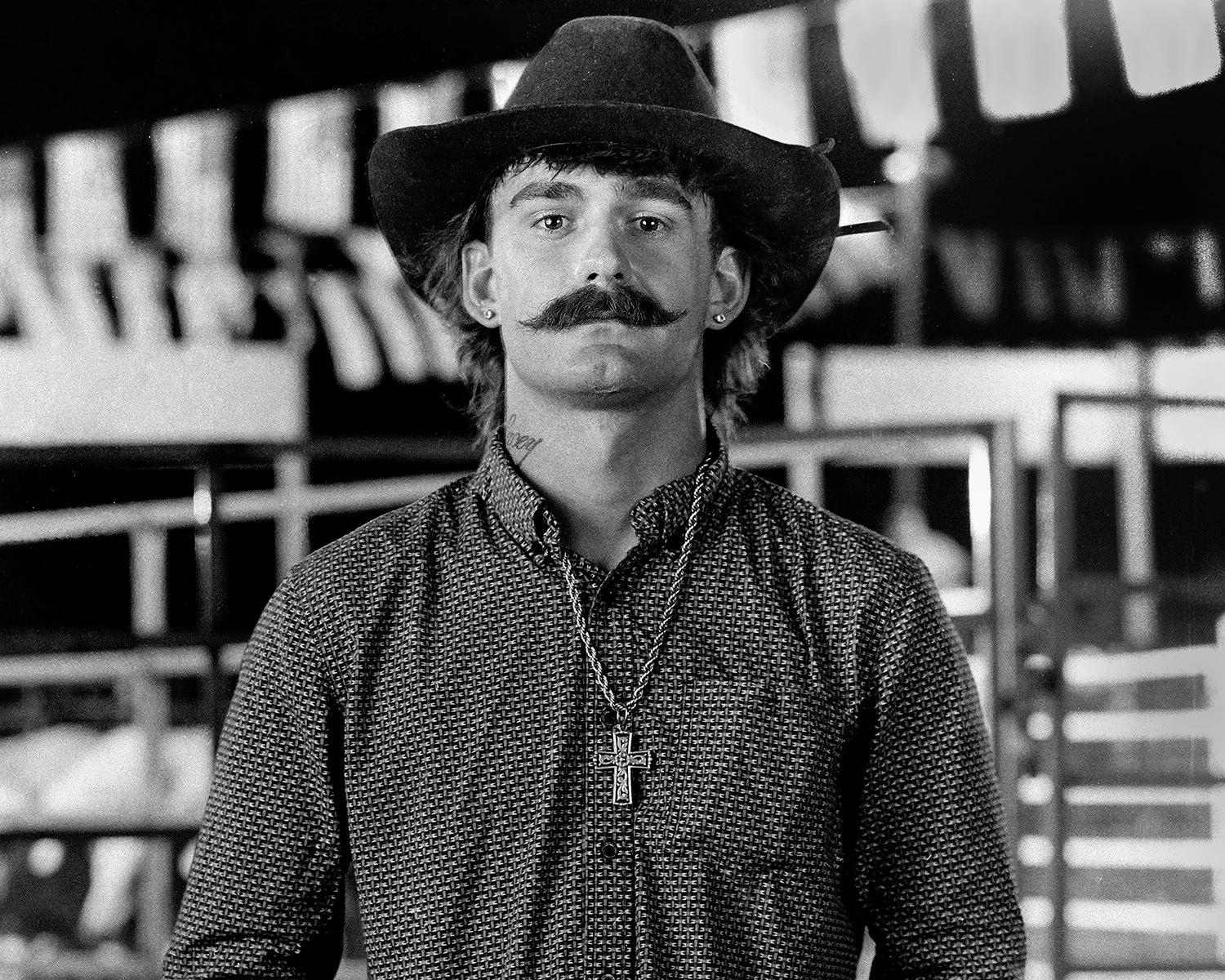
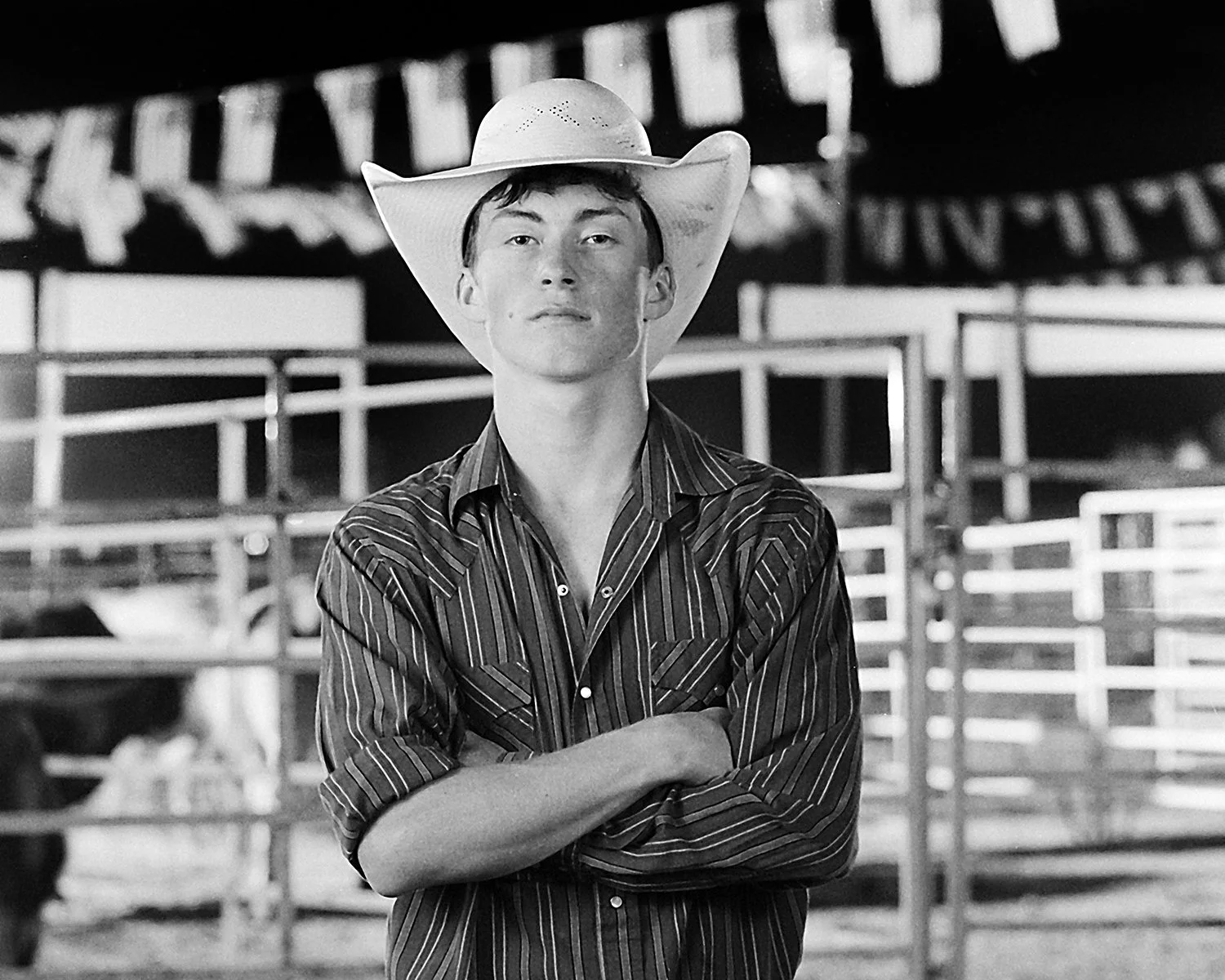
Artist Statement
My relationship with photography began with an unexpected gift. While working at an auto parts store in my hometown, one of our customers gave me an old screw-mount Nikon 35mm camera. I had always drawn as a child, and photography immediately connected with that same desire to observe, create, and tell stories. The camera became a way for me to slow down, pay attention, and capture the character of the people and places around me.
After the Ride is my first dedicated photographic project exploring the rodeo and western community. My introduction to rodeo came through a small event held at a preacher’s ranch outside of Waddy, Kentucky. Trucks were backed up to the arena, people gathered in the stands, and the audience was close enough to feel the energy of every moment. What stayed with me was not the competition, but the sense of community surrounding the families, the friendships, the preparation, and the shared connection among the people who were there. That experience led me to look beyond the ride itself.
After the Ride is a fine art portrait and oral history project focused on the participants after they complete their ride. It is not an attempt to capture the speed or spectacle of completion, but instead to explore the individuals who dedicate themselves to this demanding way of life.
Using a 4×5 film camera, I create carefully considered portraits of riders in a process that values patience and connection. Before the photograph is taken, they are asked a question about their ride. They are given time to reflect on that question while the portrait is being created. After the exposure is made, their response is recorded as audio, preserving not only their image but their voice and personal story,
The goal is to create portraits that reveal something deeper than appearance. A rider is not defined only by the seconds spent in competition. Behind every ride is a lifetime of dedication, sacrifice, relationships, and personal experiences that shape who they are.
One moment that shaped my understanding of this project came after speaking with a barrel racer about her relationship with her horse. As she described the bond they had developed, she became emotional as she explained how that connection had changed her life. She shared that she once had disliked riding when she was younger, but over time that relationship transformed into something meaningful and powerful. That conversation reinforced my belief that the most important stories often happen away from the spotlight.
The rodeo communities I will photograph represent more than sporting tradition; many small-town rodeos exist because of people who believe in giving back. They raise money for scholarships, support local causes, and bring communities together. One rodeo I learned about was created to raise funds for a scholarship program honoring a young rodeo participant who was lost in a car accident.
Those examples of generosity and community are central to my desire to create this work. I hope that this project allows viewers to see beyond the arena and understand the humanity behind the western way of life—the courage, vulnerability, relationships, and dedication that define the people who live it. If After the Ride leaves a legacy, I hope it is a truthful portrait of small-town America and a meaningful contribution to the communities that welcomed me.